
Design for manufacture
Resolve geometry, tolerances, interfaces and repeatability before fabrication begins.
Advanced Engineering · DfMA
Design suitable buildings and infrastructure for manufacture, preassembly and efficient site installation—connecting engineering, productised systems, production, logistics and assembly.
Quick answer
The principle is to design infrastructure and building packages for controlled manufacture, efficient preassembly and coordinated site installation, improving repeatability, quality, programme control and constructability.
Big Three innovation model
Applications include precast structural elements, reinforcement cages, structural steel assemblies, façade systems, modular MEP racks, plant-room skids, pump stations, substations, containerised treatment plants, pipe assemblies, culverts and modular site infrastructure.
Nexus connects the digital chain from design and tolerances through quantities, fabrication, logistics, lifting, installation, inspection and the final asset record. The focus is a better construction method built around repeatability, controlled production, logistics and efficient assembly.
FlexiBuild
FlexiBuild carries Big Three Engineering’s DfMA strategy into productised building systems, off-site manufacturing, modular construction, logistics and assembly. B3 Nexus connects the digital information across that physical delivery chain.
The combined model is simple: engineer interfaces earlier, manufacture suitable scope under controlled conditions, plan logistics before dispatch and assemble with coordinated tolerances and evidence.
Connected capabilities
Each capability strengthens engineering decisions, construction execution, evidence and lifecycle value across the project lifecycle.
Resolve geometry, tolerances, interfaces and repeatability before fabrication begins.
Move suitable work into factory or workshop conditions for better quality and repeatability.
Combine components before site delivery to reduce site labour, interfaces and working-at-height exposure.
Coordinate transport envelopes, laydown, cranes, lifting studies and installation sequence.
Use repeatable connections and planned assembly methods to reduce final-site duration.
Connect fabricated components to model information, inspection, installation and asset records.
Explore the digital thread
Follow the connection from site understanding through digital engineering, physical execution, verification and the living asset.

Connect site, design, engineering, construction, evidence and operations.
Explore
Start decisions from survey, terrain, utilities, hydrology and real-site constraints.
Explore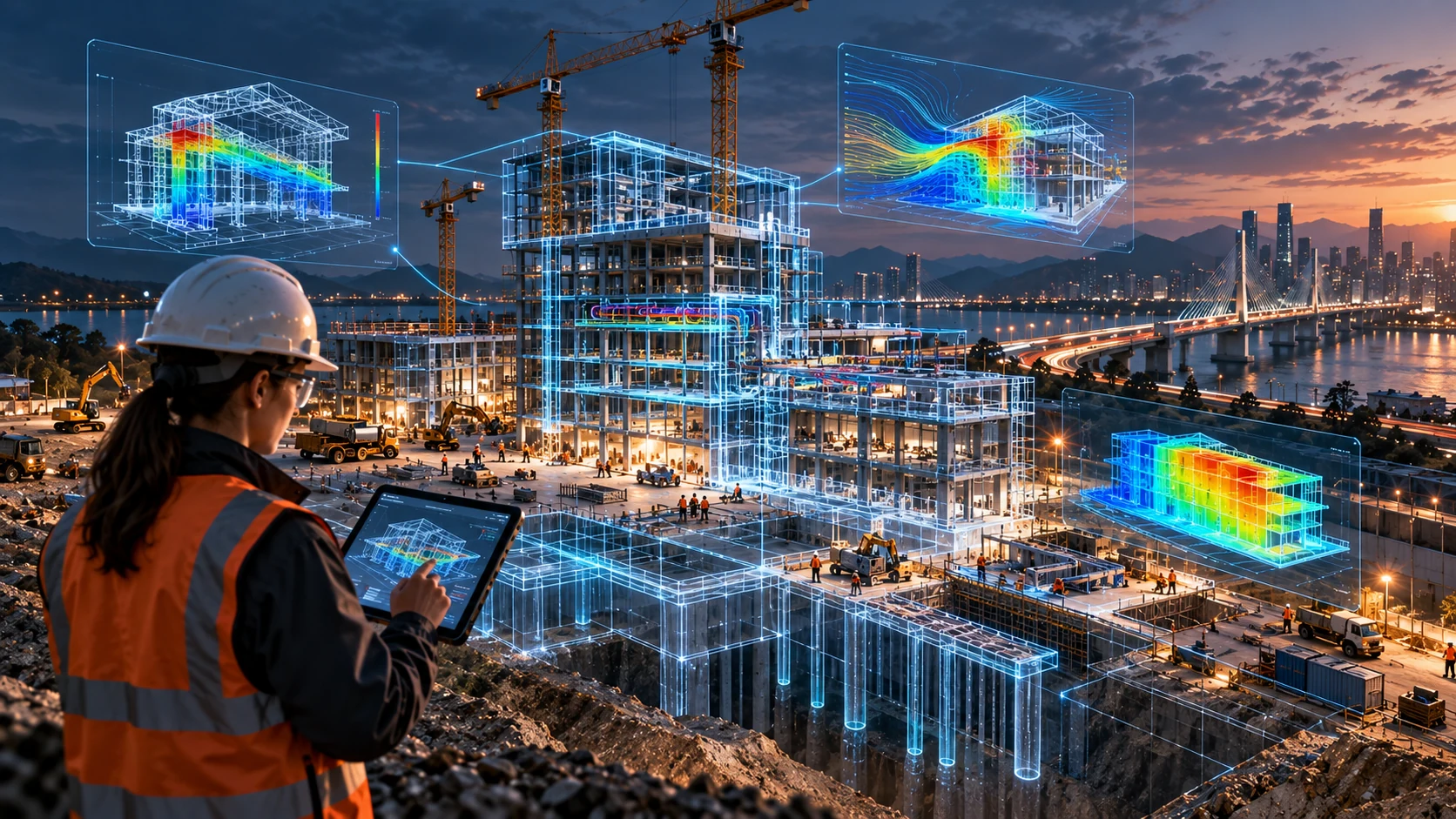
Coordinate multidisciplinary models and test options before construction.
Explore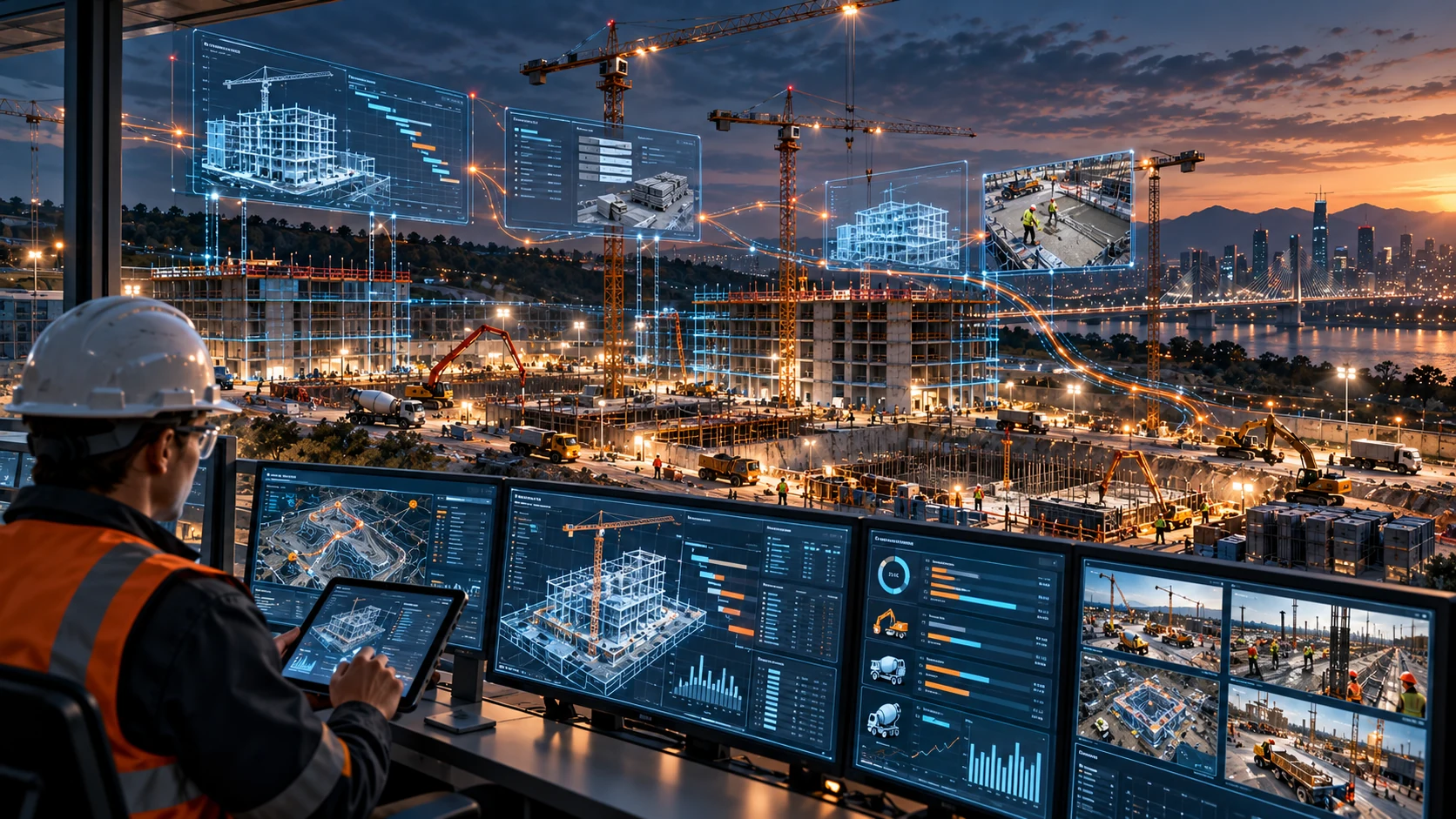
Connect programme, field operations, cost, procurement, quality and safety.
Explore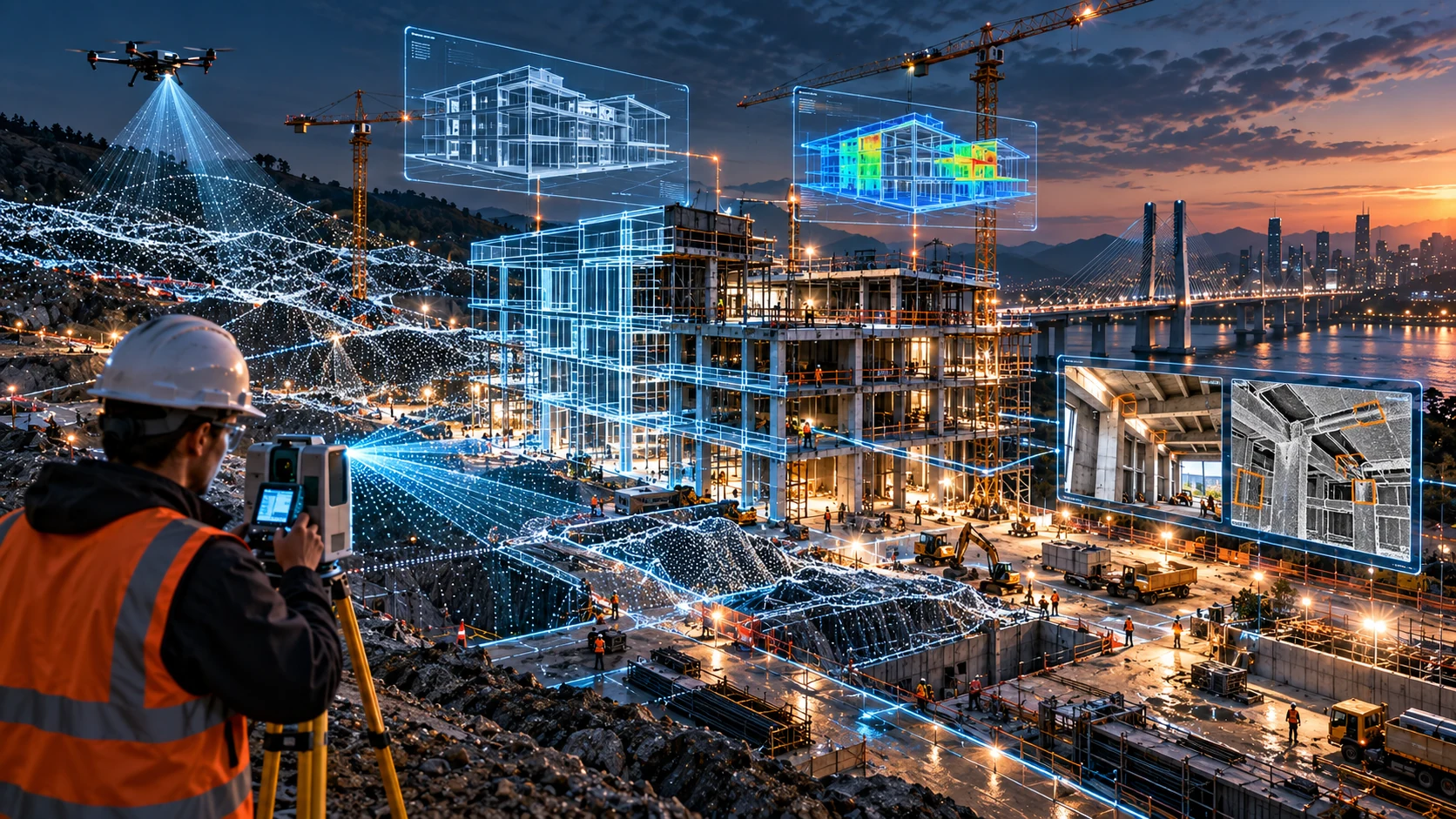
Compare design intent with observed, inspected and accepted work.
Explore
Carry structured asset information beyond handover into operations.
Explore
Connect terrain models, machine guidance and verified as-built surfaces.
ExploreAnswers
Practical answers about how Big Three Engineering connects digital engineering with physical delivery.
Design for Manufacture and Assembly means engineering suitable components or modules so they can be efficiently manufactured or preassembled and then installed on site.
Applications include precast elements, steel assemblies, MEP racks, plant skids, pump stations, substations, treatment modules, pipe assemblies, culverts and site infrastructure.
Modular construction moves repeatable work into controlled production, reduces site interfaces, coordinates logistics and lifting earlier, and shortens the amount of work that must happen under final site conditions.
Nexus can connect design, tolerances, quantities, fabrication, logistics, installation, inspection and the final asset record through one digital thread.
Bring B3 Nexus and advanced engineering methods into your next project.